
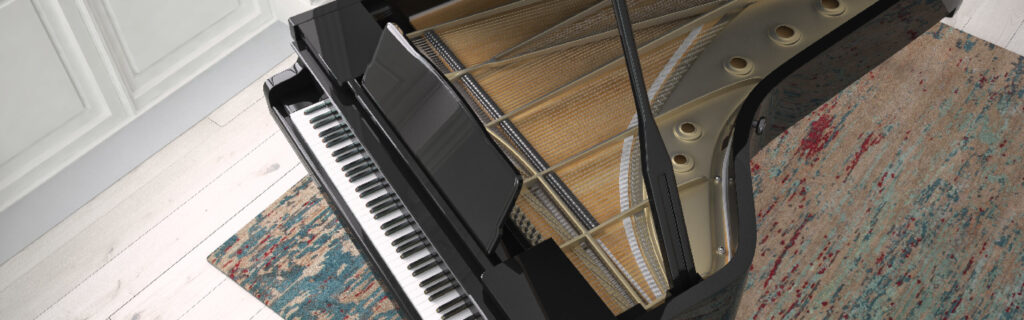
A piano is one of the heaviest and most delicate pieces of furniture in any home, and any move tends to leave its mark on the sound. So do you need to tune a piano after moving it? In most cases, yes. But the answer depends on more than just the trip itself, and timing matters more than most people realize. This guide breaks down the facts so you can protect your investment and get back to playing as quickly as possible.
Why Pianos Go Out of Tune During a Move
A piano contains roughly 230 strings under enormous tension, all anchored to a wooden soundboard. That wood expands and contracts with every change in temperature and humidity. According to the Piano Technicians Guild, extreme swings from hot to cold or dry to wet cause materials to swell and contract, affecting tone, pitch, and action response.
Even a careful local move exposes your instrument to:
- Vibrations from the truck ride
- Temperature changes between buildings
- Tilting through doorways and stairwells
- A new climate inside the destination home
The result is almost always some pitch drift, even when the move is done right.
Do You Need to Tune a Piano After Moving It Across Town?
A short, local move puts less stress on your piano than a long-distance haul, but it does not make tuning unnecessary. The bigger factor is the new environment. If your piano went from a humid basement to a dry living room, the soundboard will react no matter how far the truck drove.
So if you find yourself asking, do you need to tune a piano after moving it just a few miles, the answer is usually still yes after the instrument acclimates.
How Long to Wait Before Tuning
Most piano technicians recommend waiting two to four weeks after the move. This window gives the wood, strings, and metal parts time to settle into the new humidity and temperature. Tuning too early often leads to a second tuning within a month.
Use the waiting period to:
- Place the piano on an interior wall, away from vents and direct sunlight
- Avoid windows and exterior doors that swing the climate around
- Keep indoor humidity between 40 and 50 percent if possible
- Let the piano warm or cool slowly to room temperature
Do You Need to Tune a Piano After Moving It a Long Distance?
Long-distance moves add miles, weather changes, and overnight stops. The instrument may travel through multiple climates in a single trip. In these cases, plan on a tuning, and possibly a follow-up six months later as the piano adjusts to its permanent home.
A pitch raise may also be needed if the piano sat untuned for a long time before the move.
How to Protect Your Piano on Moving Day
The best way to limit tuning issues is to start with a careful move. That means trained movers, the right equipment, and a plan for getting the instrument through doorways and stairs without strain. Mike Hammer Moving offers dedicated piano moving services backed by decades of experience with uprights, baby grands, and concert grands. The team also handles full-service furniture moving for the rest of your home, so the entire move stays under one roof.
Quick checklist for moving day:
- Confirm doorway and stairwell measurements
- Use a piano dolly and proper straps
- Cover the instrument with padded blankets
- Avoid tipping uprights on their backs
Ready to Move Your Piano the Right Way?
If you are planning a relocation in Kansas City, trust a crew that handles your piano with the same care you do. Visit our contact page for a free, no-pressure quote and let our team take it from here.