Moving heavy furniture can be one of the most challenging aspects of any relocation, requiring specialized techniques, proper equipment, and careful planning to avoid injury or damage to your valuable pieces. Whether you’re attempting a DIY move or working alongside professionals, understanding proven furniture mover strategies can make the difference between a successful relocation and a costly disaster. At Mike Hammer Moving, our trained professionals have been perfecting the art of safe furniture moving for over 30 years, developing specialized techniques for handling everything from delicate antiques to massive sectional sofas. These expert furniture mover tips will help you approach heavy furniture with confidence while protecting both your belongings and your back from unnecessary strain and potential injury.
Essential Equipment Every Furniture Mover Needs
Professional furniture mover success starts with having the right tools and equipment for the job, as attempting to move heavy pieces without proper gear often leads to injury, property damage, or both. Essential equipment includes furniture dollies, moving straps, furniture sliders, moving blankets, and sometimes specialized tools like piano boards or appliance dollies for specific items. Mike Hammer Moving invests in professional-grade moving equipment that enables our teams to handle the heaviest furniture safely and efficiently. Our crews are trained to select the appropriate tools for each piece, whether it’s a grand piano, a solid wood dining table, or a sleeper sofa, ensuring that every item receives the specialized handling it requires for safe transport.
Proper Lifting Techniques and Body Mechanics
Understanding correct lifting mechanics is crucial for any furniture mover, as improper technique can result in serious back injuries that may require weeks or months of recovery. Always lift with your legs rather than your back, keep the item close to your body, maintain a straight spine, and avoid twisting while carrying heavy loads. When possible, break down furniture into smaller components by removing legs, drawers, or cushions to reduce weight and make pieces more manageable. Mike Hammer Moving trains all team members in proper lifting techniques and body mechanics, and our experienced furniture mover professionals know when a piece requires multiple people or specialized equipment rather than attempting to handle it individually, prioritizing safety over speed in every situation.
Planning Your Path and Protecting Your Home
Every experienced furniture mover knows that preparation is just as important as execution, requiring careful measurement of doorways, hallways, and staircases to ensure furniture will fit through your home’s passages. Remove obstacles, protect floors with moving blankets or cardboard, and plan your route in advance to avoid last-minute navigation challenges that can lead to damage or injury. Take photographs of electronic setups before disconnecting cables, and protect vulnerable surfaces with padding or plastic wrap. Mike Hammer Moving’s professional approach includes thorough pre-move assessments where our team measures furniture and doorways, identifies potential challenges, and develops strategic plans for navigating even the most difficult spaces, ensuring smooth furniture transport without damage to your home or belongings.
Team Communication and Coordination Strategies
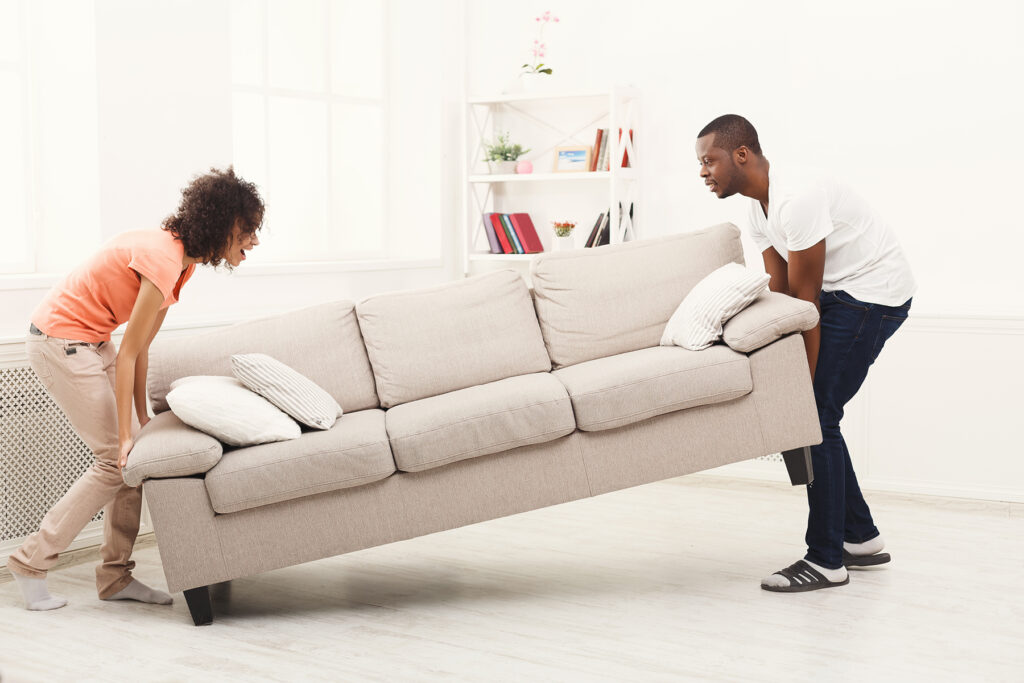
Successful furniture moving requires clear communication and coordination between all team members, whether you’re working with family members or professional movers. Establish clear verbal signals for lifting, lowering, and directional changes, and designate one person as the leader to call out instructions and navigate obstacles. Never attempt to move heavy furniture alone if it requires more than one person, and don’t hesitate to take breaks when fatigue sets in, as tired movers are more prone to accidents and mistakes. Mike Hammer Moving emphasizes teamwork and communication in all our furniture mover training, ensuring our crews work together seamlessly to handle even the most challenging pieces while maintaining constant awareness of safety and protecting your property throughout the process.
When to Call Professional Furniture Movers
While DIY furniture moving can work for smaller pieces, certain situations absolutely require professional furniture mover expertise to avoid injury, property damage, or both. Items like pianos, gun safes, large appliances, and valuable antiques require specialized knowledge, equipment, and experience that most homeowners simply don’t possess. Stairs, tight corners, and narrow doorways can turn manageable moves into dangerous situations without proper training and equipment. Mike Hammer Moving specializes in handling challenging furniture pieces that other companies might refuse, from antique armoires to modern sectional sofas, and our experienced teams have successfully moved everything from priceless family heirlooms to heavy commercial furniture throughout the Kansas City area and beyond.
Professional Excellence and Peace of Mind
Understanding these furniture mover techniques can help you handle smaller pieces safely, but for valuable, heavy, or challenging items, professional expertise provides invaluable peace of mind. Mike Hammer Moving’s trained professionals bring three decades of experience, specialized equipment, and comprehensive insurance coverage to every job, ensuring your furniture arrives at its destination in perfect condition. Our commitment to excellence means we treat every piece with the same care we’d want for our own family’s belongings.
Ready to move your heavy furniture safely and efficiently? Contact Mike Hammer Moving today for a free quote and let our experienced furniture mover professionals handle the heavy lifting while you focus on settling into your new space!
FAQ’s About Moving Heavy Furniture
1. What equipment do I need to move heavy furniture safely?
Essential tools include furniture dollies, moving straps, sliders, and moving blankets. For specialty items like pianos or appliances, professional-grade equipment is often required.
2. How can I avoid injuries when lifting heavy furniture?
Always lift with your legs (not your back), keep items close to your body, maintain a straight spine, and avoid twisting. Break furniture into smaller parts when possible.
3. How should I prepare my home before moving furniture?
Measure doorways and hallways, clear pathways, protect floors with blankets or cardboard, and plan your route in advance to prevent damage or accidents.
4. When should I hire professional furniture movers instead of doing it myself?
You should call professionals for oversized, fragile, or valuable pieces—such as pianos, safes, or antiques—or when moving through tight spaces, staircases, or challenging layouts.