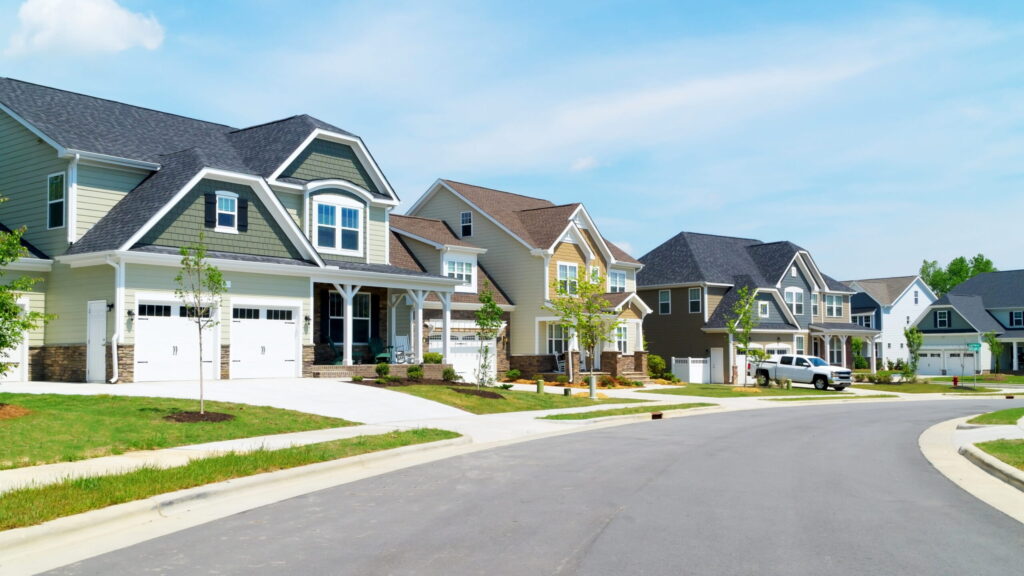
Moving to a new neighborhood represents more than just changing your address; it impacts your daily life, safety, and overall happiness. Before signing a lease or closing on a home, asking the right questions about your prospective neighborhood helps you make informed decisions and avoid unpleasant surprises. These essential inquiries ensure your new community aligns with your lifestyle, priorities, and long-term goals.
Safety and Security Questions When Moving to a New Neighborhood
Crime Statistics and Trends
According to NeighborhoodScout, crime rates can vary dramatically even between adjacent neighborhoods. When moving, research local crime statistics, talk to police departments, and ask current residents about their safety experiences. Key questions include:
- What are the neighborhood’s crime rates compared to city averages?
- Are there active neighborhood watch programs?
- How quickly do police respond to calls?
- Which areas should be avoided after dark?
Street Lighting and Walkability
When moving, assess whether streets are well-lit at night and if sidewalks are maintained. These factors significantly impact your sense of security during evening walks or commutes.
Lifestyle and Amenities Questions
Proximity to Essential Services
Before moving to a new neighborhood, determine distances to grocery stores, pharmacies, hospitals, banks, and gas stations. What seems like a minor inconvenience initially can become frustrating over time.
Schools and Education
For families moving to a new neighborhood with children, school quality ranks as a top priority:
- What are school ratings and test scores?
- Are there waiting lists for desirable schools?
- What extracurricular programs exist?
- How do school boundaries align with the property?
Parks and Recreation
When moving to a new neighborhood, consider available green spaces, playgrounds, fitness facilities, and community centers that match your recreational interests.
Practical Considerations for Moving to a New Neighborhood
Transportation and Commute
Traffic patterns dramatically affect daily life. Questions to ask include:
- What’s the average commute time to work during rush hour?
- Is public transportation accessible and reliable?
- Are major highways or airports nearby creating noise pollution?
- Is parking adequate for residents and visitors?
Future Development Plans
Moving to a new neighborhood means investing in its future. Research zoning laws and planned developments that could affect property values, traffic, or neighborhood character.
Homeowners Association Rules
If moving to a new neighborhood with an HOA, thoroughly review restrictions on exterior modifications, parking, pets, and other lifestyle factors before committing.
Community and Culture Questions
Neighborhood Demographics and Dynamics
When moving to a new neighborhood, understanding the community composition helps determine social fit:
- What’s the age range of residents?
- How long have neighbors lived there?
- Are community events regularly organized?
- What’s the general atmosphere—family-oriented, young professional, retiree-focused?
Noise Levels and Disturbances
Visit your prospective neighborhood at different times, weekday mornings, evenings, and weekends, before moving to a new neighborhood to assess noise from traffic, neighbors, or nearby businesses.
Local Services and Utilities
Ask about internet provider options, average utility costs, trash collection schedules, and water quality when moving to a new neighborhood.
Taking the Next Step
Thorough research before moving to a new neighborhood prevents buyer’s remorse and ensures your new community enhances rather than detracts from your quality of life.
Ready to relocate? Mike Hammer Moving understands that moving to a new neighborhood involves more than transporting belongings; it’s about starting fresh in the right community. Our local expertise helps you navigate your transition smoothly, and our professional moving services ensure your possessions arrive safely at your new home. Contact us today for a free moving quote and discover how we make your neighborhood transition stress-free and efficient.